
Engaging - Dynamic - Implicit Bias in Education Programs
Implicit Bias in Education Programs
Building Equitable Communities. Supporting Every Student, Educator, and Staff.
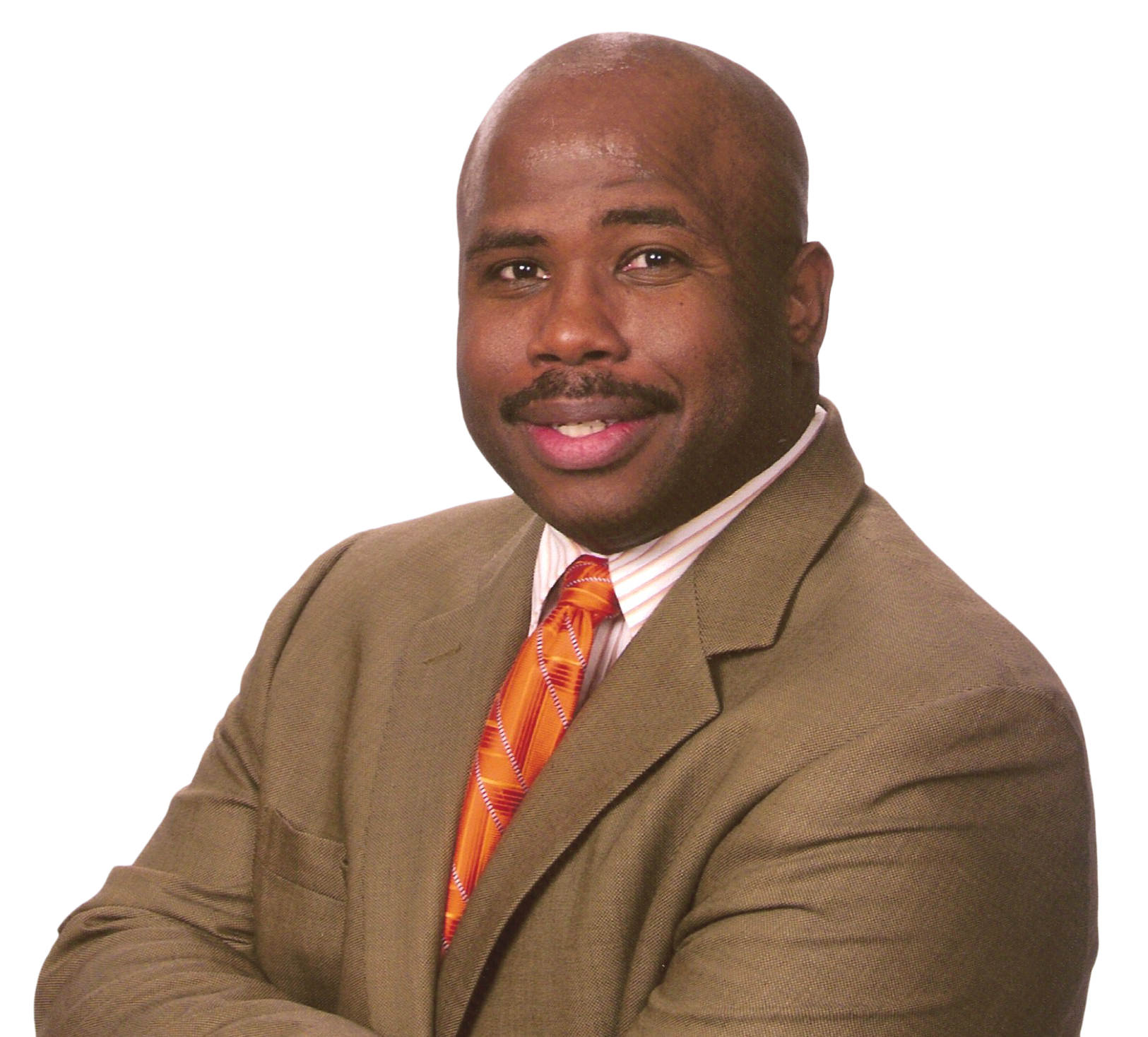
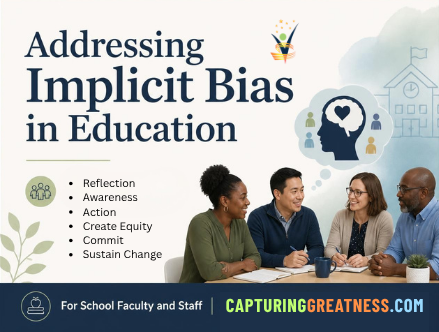
For over 26 years, Ty Howard has engaged, inspired, equipped, and empowered educators (birth-to-5, Pre-K through 12 grade), school staff, administrators, school district leaders, students, and parents to address implicit bias in education using his signature 7-step model: Reflection, Awareness, Empathy, Action, Create Equity, Commit, and Sustain Change. His work cultivates awareness, empathy, equity, and support for every member of the school community.
Ty Howard delivers in-person keynote programs and school assemblies across the nation and internationally. He travels from Baltimore County, Maryland, via the BWI Airport.
#TyProvidesVirtualPDTraining
To learn more about Ty Howard … Click Here … Hire Ty
Below is a list of Ty’s program titles and brief descriptions for your review. If you would like a complete program description with Ty’s potential learning objectives for a specific program that interests your group, please email us through our website, and we will promptly provide the information you requested. Thank you for visiting CapturingGreatness.com.
Here are Ty’s Programs for Addressing Implicit Bias in Education:
This session introduces the “mirror and window” lens to help educators examine internal biases and understand students’ lived experiences. Participants build concrete self-accountability metrics to systematically interrupt biased decision-making and cultivate an equitable learning culture.
Speaking Truth, Hearing Hearts provides a safe space to address the emotional and systemic realities of implicit bias. Centering deep intercultural listening, stakeholders dismantle defensive habits, navigate cultural tension with empathy, and gain actionable tools to foster identity-affirming environments where everyone feels valued.
Tiny Steps, Big Impressions is an immersive, inspiring, and interactive session that explores how implicit biases unconsciously shape perceptions of infant and toddler behavior. Participants examine how racialized and gendered assumptions impact milestone evaluations, gaining practical tools to ensure every child’s development is nurtured equitably.
Young learners absorb identity lessons from classroom materials. This engaging and hands-on session guides early educators through an equity audit of their books, toys, and spaces to intentionally curate environments that counter societal stereotypes and build a confident sense of belonging for all children.
Roots of Resilience discusses how systemic racism impacts the foundational health and development of infants and toddlers of color. Participants analyze historical inequities and gain concrete strategies to advocate for early health equity and buffer children against systemic stress.
Implicit bias operates like a cognitive habit during fast-paced teaching moments. This session introduces practical mindfulness techniques to help educators slow down, identify personal bias triggers, interrupt automatic assumptions, and build daily routines that ensure equitable student interactions.
Our personal backgrounds create cultural frames that dictate how we interpret student engagement and respect. This workshop introduces pillars of inquiry, framing, and dialogue, providing concrete communication strategies to build bridges of understanding across diverse student and family backgrounds.
Structural racism limits access to environments, housing, and healthcare, creating learning barriers. This session helps educators and staff recognize how chronic health disparities manifest as fatigue or anxiety, offering trauma-sensitive instructional strategies to support students navigating systemic stressors.
Exploring personal biases can elicit strong emotional defenses. This session provides school administrators, staff, services personnel, and coaches with tools to establish ground rules emphasizing vulnerability, offering techniques to create low-stakes, highly reflective settings where staff feel secure confronting uncomfortable patterns.
School psychologists, counselors, and social workers make critical decisions vulnerable to bias. This session examines how implicit biases influence special education referrals and assessments, helping participants develop standardized checklists to protect marginalized students from disproportionate labeling.
School support staff and family liaisons serve as crucial bridges to resources. This session explores how systemic racism creates distrust, teaching staff to dismantle gatekeeping, navigate language barriers equitably, and establish a welcoming, trust-based environment for all families.
Implicit bias heavily influences subjective discipline referrals for vague infractions, accelerating the school-to-prison pipeline. Educators and administrators will learn to implement restorative behavior support systems that objectively manage challenges without relying on exclusionary practices.
When cultural expectations clash with family values, educators may fall back on biased judgments. This session outlines a three-step process—Acknowledge, Ask, Adapt—to help personnel constructively resolve cultural friction through collaborative problem-solving that prioritizes student well-being.
Biased discipline triggers acute stress responses, harming long-term physical and mental health. This session connects structural racism and disciplinary practices to adverse childhood experiences, helping teams transition to restorative justice frameworks that preserve student dignity and health.
Individual awareness rarely shifts deep-seated institutional disparities. This executive session equips school superintendents, board members, and directors with strategies to embed bias-mitigation protocols into policies, redesign hiring panels, standardize reviews, and implement structural equity checks district-wide.
Education associations hold a unique responsibility to protect members and diverse students. This engaging and elevating session explores how association leaders integrate implicit bias training into regular programming, foster peer-led accountability, and advocate proactively for systemic, equity-driven contract language.
Structural racism heavily influences athletic resource allocation, sports medicine, and hyper-surveillance of student-athletes of color. This session teaches directors and coaches to dismantle racial biases, creating action plans that prioritize physical and psychological safety for all players.
When individual educators fight implicit bias alone, systemic change remains slow. This session focuses on collective, association-wide initiatives like book clubs and community circles, equipping members with a structured toolkit to launch grassroots equity campaigns across local chapters.
Connect With Us
Learn how Ty can engage and inspire your educators, administrators, school staff, school district leadership teams, organization, and parents to address implicit bias in education so everyone feels safe, heard, valued, they belong, and thrives daily. Or how he can help you solve your most important challenges.
Latest Insights and Resources
Ty Howard's eNewsletter
Sign-Up for Ty’s FREE
Online Capturing Greatness
eNewsletter
- Inquiries
- Feedback from Others
Ty is very inspiring
Melissa W.,
Jonesboro, Arkansas
He really touched the hearts of the audience
KRISTEN L., Ed.D.,
Readfield, Maine
HE WAS HONESTLY AMAZING!
CATHERYN A.,
Performance, Community
Action Project of Tulsa,
Tulsa, Oklahoma
HE GAVE A POSITIVE MESSAGE
JEANNIE D.,
Rockville, Maryland
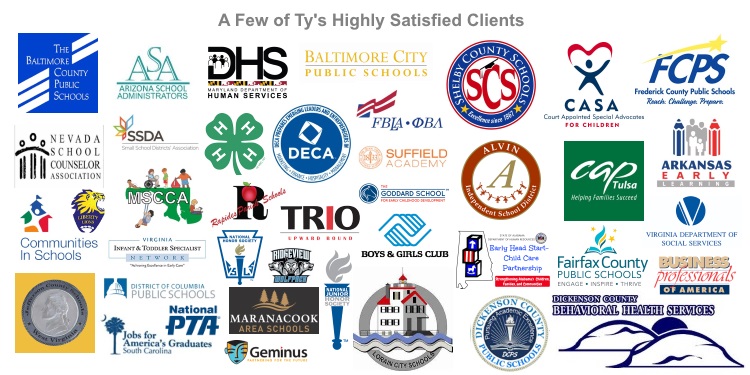
Highly Satisfied Clients
Click here to: Book Ty or Here to learn: How We Work With A Client
Let's Connect
Let’s discuss your implicit bias in education needs for your educators, school staff,
administrators, school district leaders, organization, or conference.
Complete the form below or call (443) 982-7582. Equity, Empathy, and Human Performance
Coach Ty is eager to help you achieve your equitable and thriving culture goals!